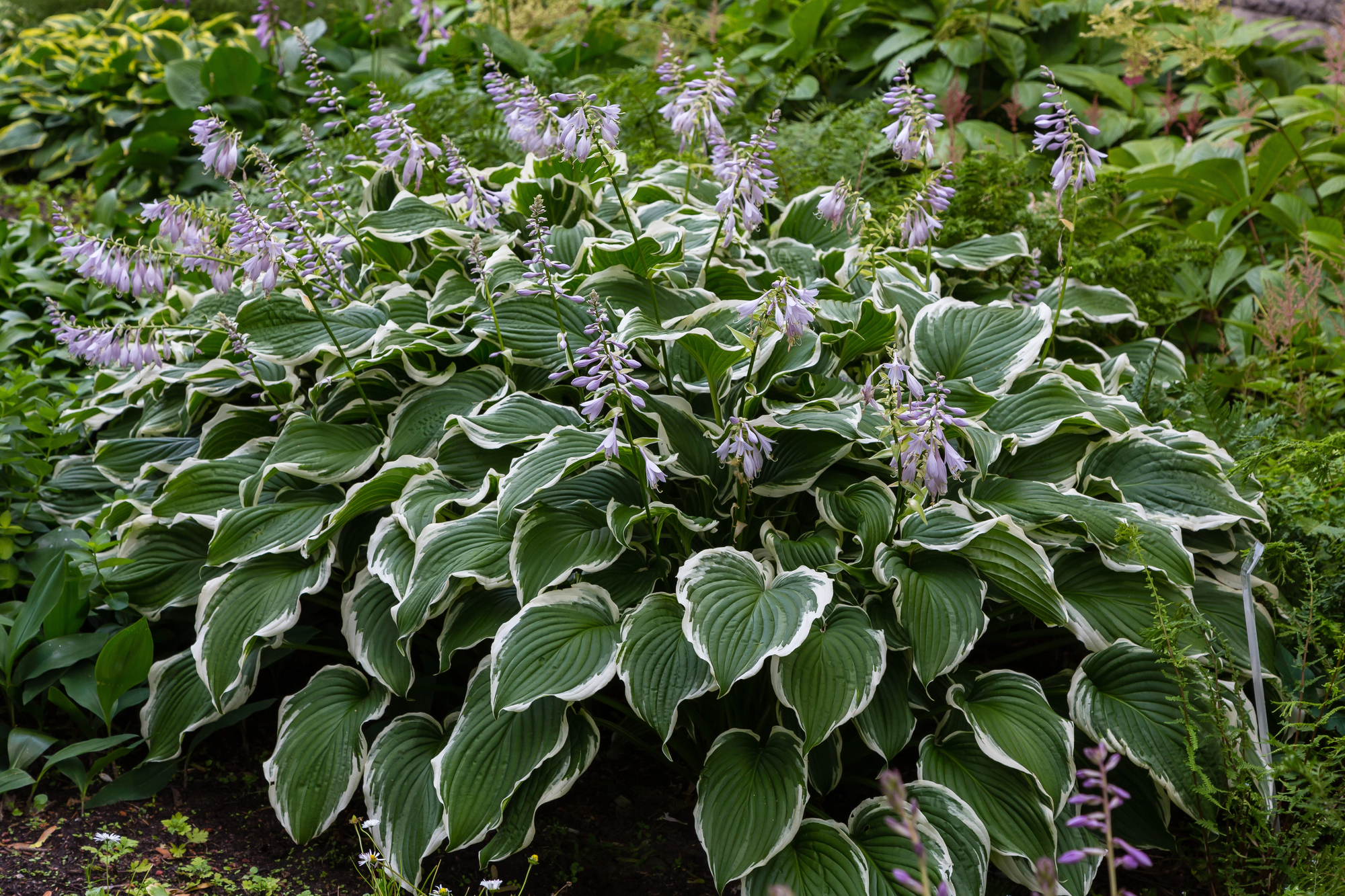
Hostas are wonderfully low maintenance, but a little fall care can make a noticeable difference in how full and healthy they come back in spring.
Here are 5 fall/winter tips for Hostas—especially appropriate for states with wet winters:
- Let the leaves yellow before cutting them back. Don’t cut healthy green leaves in September just because summer is ending. Let them continue feeding the roots. Once the foliage turns yellow/brown and collapses—usually after a frost—cut it down to about 1–2 inches above the soil.
- Clean up all the dead foliage. This is more important than it sounds. Remove the old leaves rather than leaving them piled over the crown. Slugs and snails love hiding in that material, and they’re one of the biggest enemies of beautiful Hostas in our Pacific Northwest climate. Removing debris also helps reduce disease problems.
- Give them a thin layer of compost. After cleanup, spread about ½–1 inch of goodcompost around the plant. Keep it from piling directly over the crown. Winter rain will gradually carry nutrients into the soil, giving the roots a nice start when growth resumes.
- Mulch—but don’t bury them. Put 1–2 inches of shredded leaves, fine bark, or other organic mulch around your Hostas. Mulch protects the roots from temperature swings and improves the soil as it decomposes. If you live where there is a lot of moisture rather than extreme cold (like in the Pacific Northwest), don’t pile on a thick winter blanket.
- Watch drainage through winter. Hosta’s like moisture during the growing season, but they don’t want their dormant crowns sitting in soggy soil for months. If you notice water pooling around them during heavy rains, improve the drainage or slightly raise the planting area. Cold Hostas are generally fine; cold, waterlogged Hostas are much more vulnerable.
When you see the little pointed shoots—often called Hosta noses—beginning to emerge in spring, pull excess mulch away from the crown and add a light application of slow-release balanced fertilizer or compost. I also throw a handful of plain Epsom salts at their base.
When you see the shoots in spring, that’s the perfect time to start your slug control before the leaves unfurl. If you wait until you see holes, slugs have already had dinner and are inviting new family members to the buffet.
