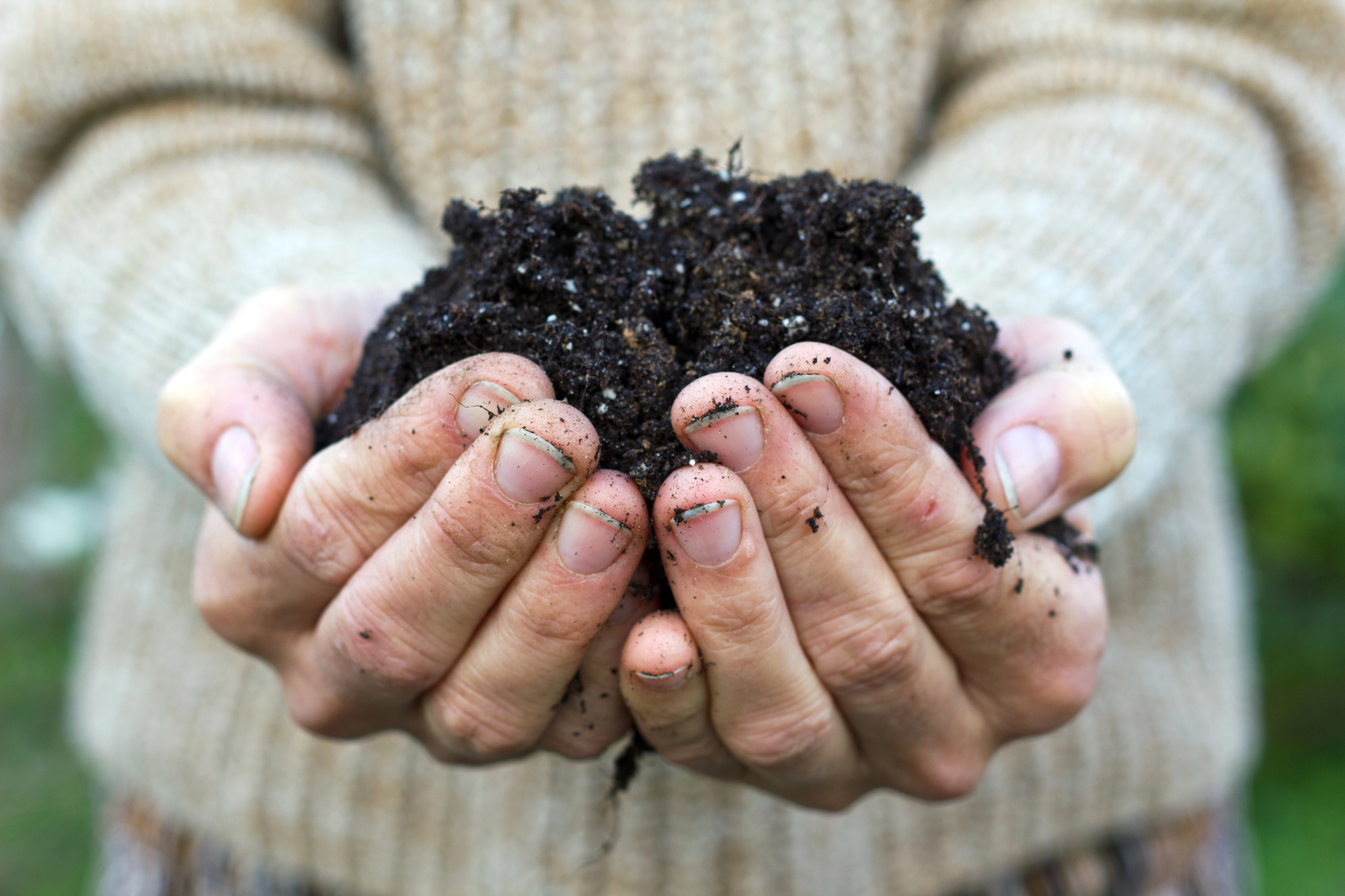
Don’t throw those coffee grounds and eggshells away this winter! Your garden may have a use for them.
Winter is a wonderful time to start thinking about the soil underneath all those beautiful flowers. We tend to focus on the plants we can see, but gorgeous gardens really begin somewhere much less glamorous:
Healthy dirt.
And two things you’re probably throwing away every week—used coffee grounds and eggshells—can become part of your soil-building routine.
Save Those Eggshells
Instead of tossing your eggshells, rinse them and save them.
When you have enough to make it worthwhile, place them on a baking sheet and bake them at 250°F for about 15 minutes. This dries them thoroughly and makes them easier to crush.
Allow them to cool and then crush them as finely as possible. You can use a rolling pin, food processor, coffee grinder dedicated to garden use, or simply place them in a bag and crush them.
The finer the shells, the better.
Eggshells are primarily calcium carbonate. They aren’t an instant fertilizer—the calcium becomes available very slowly as the shells break down—but finely ground shells can become one ingredient in building your garden soil over time.
Don’t Throw Away Your Coffee Grounds Either
Used coffee grounds contain organic matter and small amounts of plant nutrients, including nitrogen.
But here’s where gardeners sometimes get carried away.
More isn’t better.
Don’t dump a week’s worth of wet coffee grounds in a mound around your favorite rose. Coffee grounds can compact and form a dense layer that interferes with air and water movement.
Instead, sprinkle them lightly over the soil, work a small amount into the upper layer of soil, or—my favorite method—add them to your compost along with your eggshells, leaves and other compostable garden material.
And despite what you’ve probably heard, used coffee grounds aren’t a reliable way to make your soil highly acidic. If you’re trying to change your soil’s pH, test the soil and use an amendment specifically intended for that purpose.
20 Flowering Plants That Can Benefit
Rather than saying these plants “love coffee,” think of them as plants that can benefit from healthy soil enriched with compost and organic matter.
You can use your coffee grounds and finely crushed eggshells as part of that soil-building process around:
- Roses
- Peonies
- Hydrangeas
- Azaleas
- Rhododendrons
- Camellias
- Gardenias
- Daylilies
- Coneflowers
- Black-eyed Susans
- Bee balm
- Phlox
- Hostas
- Hollyhocks
- Delphiniums
- Asters
- Chrysanthemums
- Coreopsis
- Sedum
- Clematis
For established plants, don’t pile either material against the crown or stems. Sprinkle lightly over the surrounding soil or, better yet, incorporate them into finished compost that you use around the plants.
What About Plants That DON’T Want Coffee Grounds and Eggshells?
This is where things get a little tricky.
There really isn’t a scientifically accurate list of 20 common flowers that must never have soil containing composted coffee grounds or eggshells. Once they’re properly composted, relatively small quantities aren’t likely to hurt most garden plants.
However, you should be much more cautious about directly adding coffee grounds or lots of eggshells around plants that prefer lean soil, excellent drainage, or alkaline conditions.
I wouldn’t routinely spread raw coffee grounds and eggshells directly around these:
- Lavender
- Russian sage
- Rosemary
- Thyme
- Oregano
- Sage
- Yarrow
- California poppies
- Blanket flower
- Penstemon
- Lamb’s ear
- Dianthus
- Candytuft
- Hens and chicks
- Many sedums grown in very lean soil
- Ice plant
- Sea holly
- Agastache
- Santolina
- Rock-garden plants adapted to lean, sharply drained soil
The reason isn’t that coffee grounds are “poison” to these plants. Many of these plants simply perform best in leaner, drier, well-drained soil, so continually enriching the soil around them isn’t necessarily doing them a favor.
Eggshells also shouldn’t automatically be added simply because a plant is on a gardening list. If your soil already contains plenty of calcium—or has a high pH—adding more calcium carbonate may be unnecessary.
The Better Winter Habit: Build a Soil Bucket
Here’s an easy winter gardening project.
Keep a small container for your used coffee grounds and another for eggshells. Dry and crush the eggshells, then add both ingredients to your compost pile along with shredded fall leaves, garden debris and other appropriate compost materials.
By spring, you’ll be on your way to creating something your garden really does love:
Rich, living, organic soil.
That’s the bigger lesson.
Beautiful gardens aren’t created only by buying beautiful plants. They’re created by taking care of what’s underneath them.
So this winter, when your peonies have disappeared, your roses are sleeping and your hydrangeas look like a collection of sticks, don’t assume there’s nothing to do in the garden.
Start building next year’s garden from the ground up.
Save the grounds. Save the shells. Make compost. Feed the soil.
Because healthy plants begin with healthy dirt.
