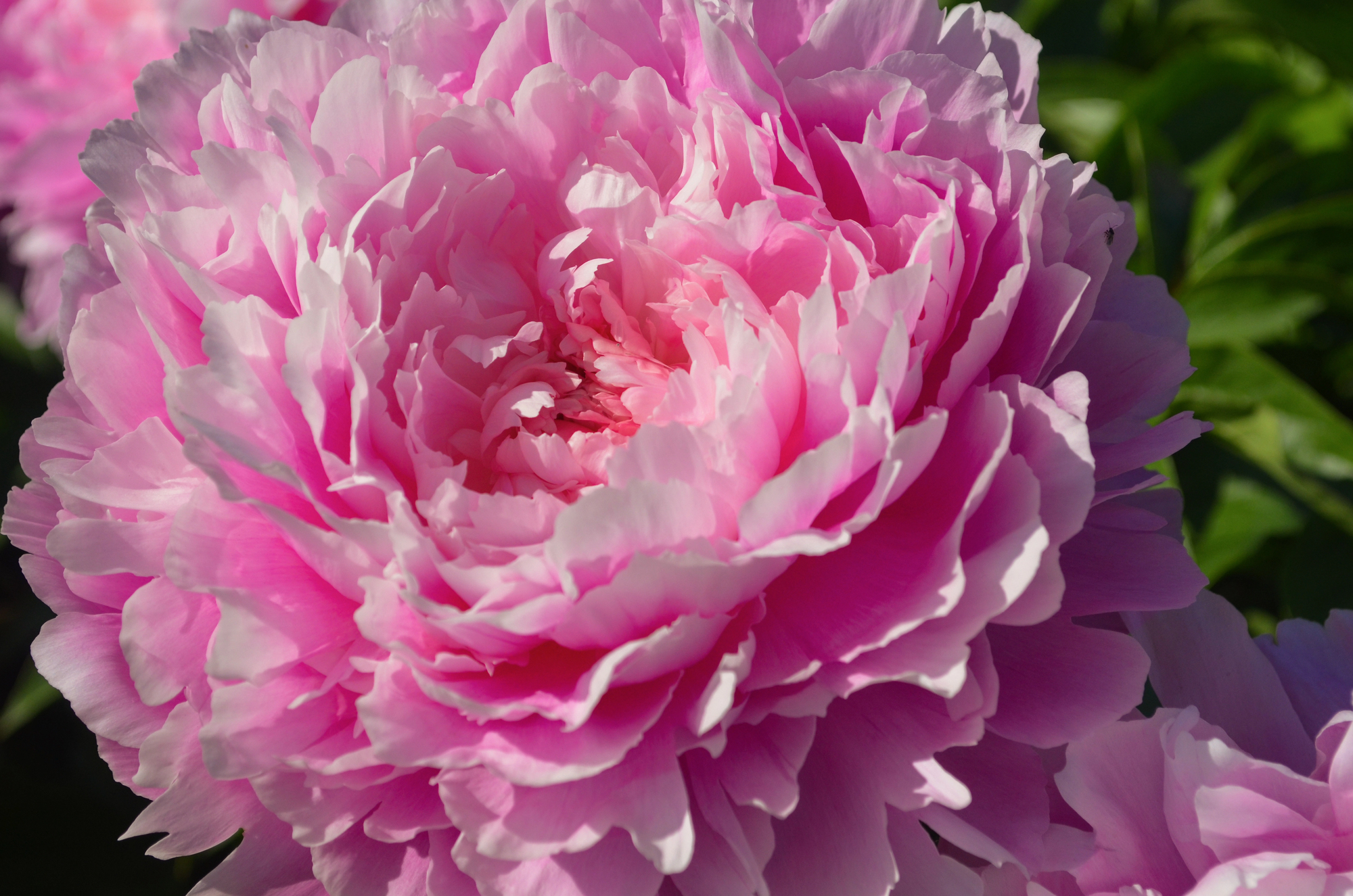
For peonies in Oregon, fall is the perfect time to both cut them back and divide them—and late September through October is an excellent window.
🌸 Cutting your peonies back
Wait until the foliage is yellowing/browning or has been hit by a light frost. Then:
- Cut the stems down to about 2–3 inches above the ground.
- Remove all the old foliage rather than composting it if you’ve had any leaf spotting or mildew. This helps reduce disease problems next year.
- You don’t need to dig or divide peonies every year. Established peonies can happily remain in the same place for decades.
🌱 Dividing them to share

September through October is the ideal time to divide established peonies. You can do it now, particularly once the plant is beginning to go dormant.
Dig around the plant fairly widely—about 8–12 inches away from the crown—and lift the root mass carefully. Peony roots can be surprisingly large and brittle.
Gently wash or shake away enough soil so you can see the crown. You’ll see little pink, reddish or cream-colored buds called “eyes.”
Cut the root clump into sections with a clean, sharp knife or spade. For a nice gift-sized division, I’d aim for:
3–5 healthy eyes + several substantial roots per division.
A smaller piece with only 1–2 eyes may survive, but it can take considerably longer to become a good blooming plant.
⭐ The most important part: don’t plant them too deep

When your friends replant them, tell them to position the eyes only about 1–2 inches below the finished soil surface.
Peonies planted too deeply often grow beautiful foliage but refuse to bloom.
Space plants roughly 3 feet apart, give them good drainage and preferably 6+ hours of sun. Water them well after planting, then let them settle in for winter.
One other thing to warn your friends about: a divided peony may not bloom much the first spring. That’s normal. It may take 2–3 seasons to really settle in and put on a show.
And if you have a large old peony clump, you may be surprised by how many nice divisions you can get from it—sometimes enough to share with quite a few people.
🌸 5 Tips for Gorgeous Peonies Next Year
- Clean them up well this fall.
Once the foliage yellows/browns or after a frost, cut herbaceous peonies down to about 2–3 inches. Remove the foliage from the garden, especially if you saw black spots, mildew, or other disease this year. A clean bed reduces disease spores overwintering around the plant. - Give them a little compost—but don’t bury the crown.
After cleanup, spread about 1–2 inches of good compost around the plant, keeping it away from the crown. Peony “eyes” need to remain close to the soil surface. Adding layer after layer of mulch or compost directly over them can eventually make them too deep to bloom well. - Make sure they’re getting enough sunshine.
For the biggest bloom display, aim for at least 6 hours of direct sun. If a tree or shrub has grown and now shades a peony that used to bloom beautifully, that could explain declining flowers. - Don’t overfeed them.
Peonies don’t need lots of fertilizer. Too much nitrogen can produce a huge green plant with disappointing flowers. In spring, when new shoots emerge, a modest application of compost or a balanced/low-nitrogen fertilizer around—not directly on—the crown is plenty for most established plants. - Give those heavy flowers support BEFORE they need it.
This is one of my favorite tricks. Put your peony rings/supports in place when shoots are only about 6–10 inches tall in spring. The stems grow right through them and eventually hide the support. When those enormous flowers arrive after a spring rain, they’ll stay upright instead of flopping onto the ground.
BONUS TIP: Don’t panic about the ants! 🐜 Ants are attracted to the sugary nectar on peony buds and generally aren’t hurting the flowers. You don’t need to spray them.
