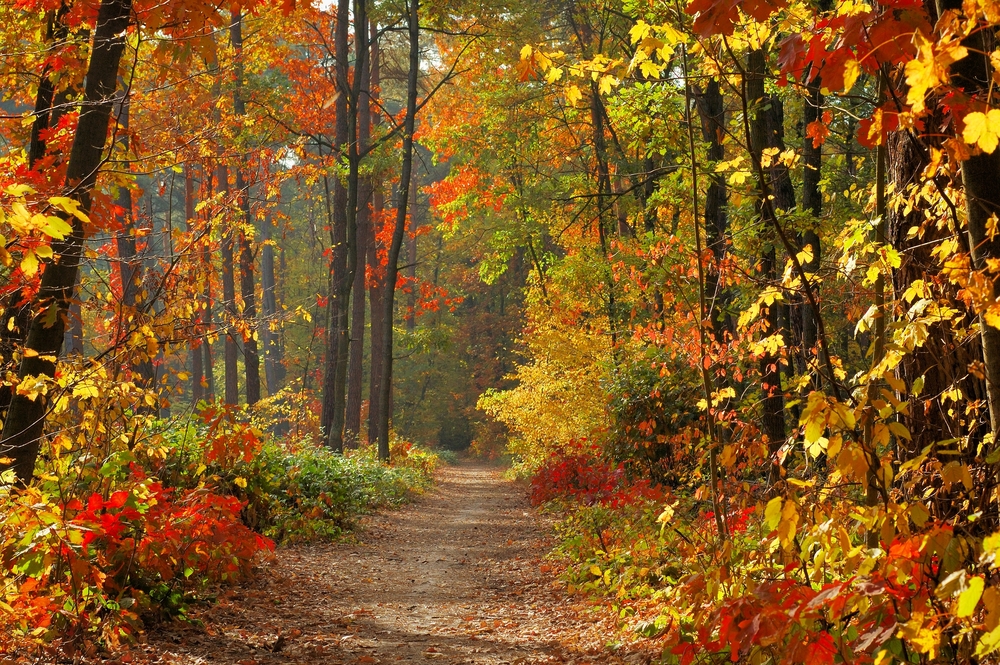
October is a big garden month in the Pacific Northwest. The soil is often still warm enough for roots to establish while cooler, wetter weather reduces stress. It’s a great combination of cleanup + planting + preparing for spring.

- Plant spring-blooming bulbs.
October into November is prime time for planting tulips, daffodils, crocus, alliums, hyacinths and muscari. Plant in groups rather than little single-file rows—clusters of 7, 10, 15+ bulbs give you a much prettier spring display. - Plant and divide perennials.
Early October is still a good time for many hardy perennials. Peonies, daylilies, hostas and hardy geraniums can be divided and replanted. Give new divisions a good watering so the soil settles around the roots. - Plant trees and shrubs.
Fall is one of the best planting seasons in our climate. The roots can begin establishing without the stress of summer heat. It’s especially good for many hydrangeas, flowering shrubs, deciduous trees and evergreens. - Clean up—but don’t make everything spotless.
Remove diseased foliage, spent vegetables and anything slimy or rotting. But leave some healthy perennial stems and seed heads for birds and beneficial insects. Things like coneflower, sedum and ornamental grasses can look beautiful through winter. - Cut back the plants that benefit from it.
Once they yellow or die back, cut down peonies, hostas, daylilies and other soft herbaceous perennials. Don’t cut back your hydrangeas indiscriminately—some bloom on old wood and you could remove next year’s flowers. - Do your final serious weeding.
This is surprisingly important. Don’t let chickweed, bittercress and other cool-season weeds settle in and seed themselves. An hour of October weeding can save many hours next spring. - Mulch your beds.
After weeding, add roughly 2–3 inches of compost, shredded leaves or bark mulch. Keep it several inches away from tree trunks, shrub stems and peony crowns. Mulch suppresses weeds, improves soil and protects roots. - Keep mowing and use those leaves.
Don’t automatically throw leaves away. Run the mower over them and use the shredded leaves in beds or add them to your compost. A thick mat of whole leaves on a lawn isn’t ideal, but shredded leaves are wonderful organic matter. - Harvest and prepare the vegetable garden.
Harvest remaining tomatoes, peppers, squash and beans before damaging frost. Garlic can be planted in fall for next summer’s harvest. You can also grow or overwinter crops such as kale, spinach and some lettuces, depending on your exact PNW location and protection. - Take pictures and make notes!
Before everything disappears, photograph your beds. Mark where you need more spring color, taller plants, fewer plants, divisions, or something evergreen. October is when you’ll remember what bothered you this summer; by March, it’s remarkably easy to forget.
🌷 One October job I’d especially prioritize
Plant more spring bulbs than you think you need.

If you have larger country-style beds, don’t scatter 20 tulips across a huge area. Instead, make big drifts of daffodils, alliums and tulips—25, 50 or even 100 bulbs of a variety together. That’s what creates that lush, established-garden appearance rather than little dots of color.
And if you like that formal, country-garden feel, I’d especially consider white daffodils, soft pink tulips, purple alliums and white/blue muscari planted in repeating groups. That combination would give you a beautiful progression of bloom from early through late spring.
